Blog
Keep up with the latest News & Events from Color Sprint Packaging
Exploring Folding Carton Design For Beginners And Packaging Teams
If you’re just starting out in packaging or looking for better ways to get products to shelves, folding carton design is a great place to begin. Folding cartons are more than just small boxes. They’re what protect your product and show your brand the moment someone picks it up. Having the right design can help your package stand out, make production easier, and even solve some workflow problems down the line.
That’s why this matters to packaging teams and anyone stepping into their first custom project. It doesn’t take advanced training to understand the basics, but working with people who know how folding carton design works can make all the difference. Whether you’re prepping a launch in Simpsonville or testing out new packaging ideas before spring kicks in, it helps to know what steps make the process smoother from the start.
Understanding the Basics of Folding Cartons
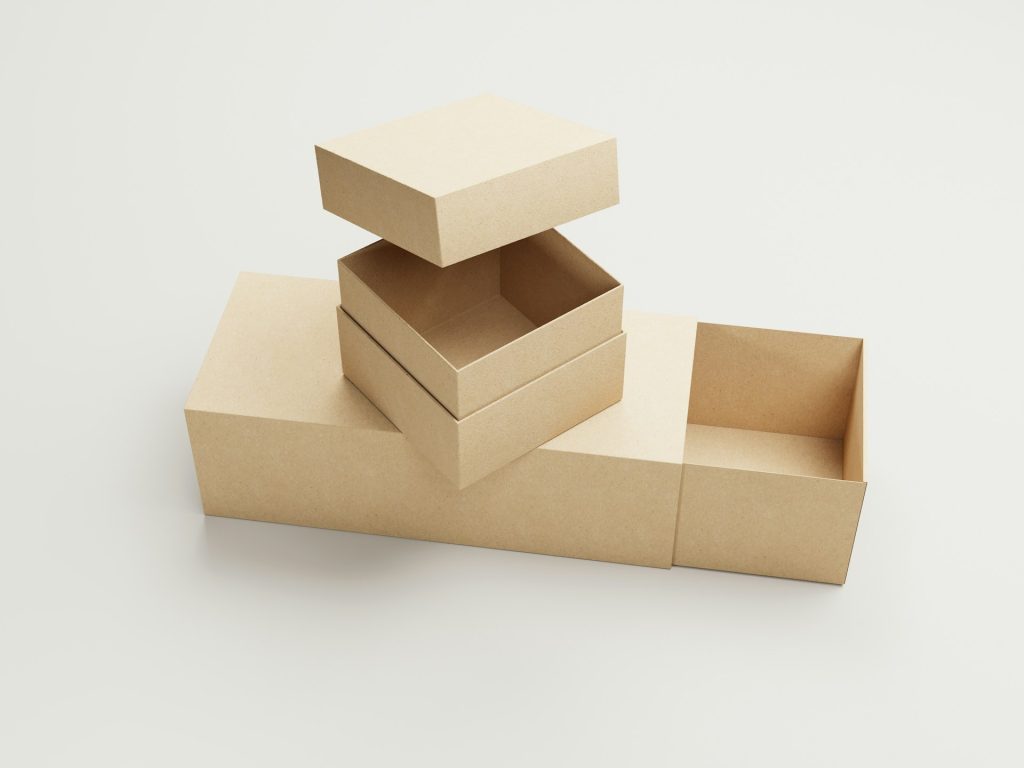
Folding cartons are the flat-printed packages you see in stores that pop into shape when folded. You’ve probably handled one today without even thinking. They’re used for food items, cosmetics, electronics, and more. Unlike rigid boxes, folding cartons start out flat, can be printed and cut digitally, and are folded during assembly.
Here’s what goes into one:
- Panels, these are the main sides of the box, often printed with branding.
- Flaps, these help close the box and make it sturdy.
- Folds, these guide how the carton shapes once built.
- Closures, these are the locking parts that keep the item secure inside.
You’ll often run into common shapes like tuck-end boxes, snap-lock bottoms, seal ends, or even something with a hanging tab. Each one fits a different need. Some help a carton hold weight, while others make a better fit for shelves or trays. The structure you use can depend on what the product is, how it’s being shipped, or how many different versions need to be made.
Our folding carton design is supported by digital die cutting and two advanced Landa digital presses. With these tools, our Simpsonville teams can experiment with new box structures and artwork quickly, making it easy to produce unique packaging for special promotions or small batch runs. This flexibility also helps reduce material waste and speeds up adjustments during each phase of design.
How Design Impacts Function and Shelf Appeal
A carton can’t just look nice, it has to work right, too. We’ve seen great designs that fall apart when folded or don’t hold up during shipping. And we’ve seen simple boxes that do the job but miss the mark on shelf appeal.
When structure and artwork work together, the carton helps sell the product while keeping it safe. Folding carton design plays a role in:
- Protecting the product during shipping and handling
- Grabbing attention on crowded store shelves
- Showing off brands in the right way, whether bold or subtle
Every cut line and dimension makes a difference. Whether it opens with a zip or flap, needs a see-through window, or stacks neatly with others, it all starts on the drawing table.
Digital printing also means adjustments can happen faster. Need barcodes added? Trying out three different versions? Want to tweak the alignment on your next run? All of that is easier to manage now without starting from scratch or holding up the line.
Getting a New Design Off the Ground
Starting a brand-new carton design may feel like a lot, but it doesn’t have to be complicated. What helps is knowing what to think about earlier instead of getting stuck later. When we work with new teams, here’s what we ask for upfront:
- Details about the product size, shape, and weight
- An idea of how the product will be sold, online, in-store, or both
- Brand colors, logos, or design themes that should be printed
- Timeline and volume: Is this for a short test or a steady rollout?
Having even a rough sketch before the first meeting can help. A reference sample or box you like is useful, too. From there, our packaging experts can take your input and step through what works best based on the project.
Having someone familiar with the tools, setup needs, and local timing makes it easier to avoid delays. That’s especially helpful in Simpsonville during winter months when teams often plan for Q2 launches and restocks right after the holiday rush.
Smart Tips for Teams Launching a Short-Run Package
Short runs move fast. Whether it’s a round of sales samples, a limited drop, or a new SKU for testing, the print timeline matters. Carton design can either speed that up or stall the project if steps get skipped. That’s why planning early makes a difference.
Here are a few smart ways teams can stay ahead:
- Lock in sizes and design cues before starting a press-ready file.
- Ask about how digital printing handles different colors or shapes.
- Stick with one kind of material if you want consistency across cartons.
- Leave room for barcode placement, dates, or tracking details.
If changes come up during production, digital tools make it easier to switch artwork or trim new samples without redoing every step. Whether you’re testing three flavors or changing the copy on the side panel, small updates don’t have to turn into delays if your design is built to flex.
When trusted help is nearby, especially for Simpsonville businesses juggling winter projects, those small steps keep everything moving. Not having to ship files or samples back and forth saves more time than many expect during short runs.
Designing With a Purpose: Making Cartons Work Harder
Cartons do more than just hold products. They carry your brand message, fit your supply chain, and support how your product is experienced. A well-thought-out folding carton design can help reduce wasted material, speed up pack-out, or even prevent customer confusion.
That’s why it’s worth building a design that does more than just look the part. Make it easier to open. Make it clearer to read. Make it stack better in the warehouse.
Design that solves more than one problem is what ends up working long-term. If it’s easy to ship, grab from a shelf, or explain what’s inside, then you’ve already checked off half the packaging goals. That kind of thinking upfront leads to smoother launches and fewer surprises later. And when everyone on the team, from production to sales, knows what to expect, cartons stay on schedule and off the problem list.
The Advantage of Expert Folding Carton Design
With Color Sprint Packaging, Simpsonville businesses can turn ideas into finished cartons with our expert support from concept to delivery. We use local production and fast prototyping to help bring packaging ideas to market without unnecessary holdups. Our digital setup means quick design changes and precise box styles are easy to manage, even with short deadlines or evolving needs.
Bringing new packaging ideas to life in Simpsonville is easier with Color Sprint Packaging by your side. Strong packaging begins with smart structure, and our design tools help ensure you get it right the first time. Whether you’re testing, shipping, or moving into retail, effective design impacts how your product is handled and perceived. Learn more about how our folding carton design process leads to better results without slowing your business down. Reach out to us today to start your next project.